Volterra - buy property near Volterra
Iconic nature, large country houses and lot of history - this is Volterra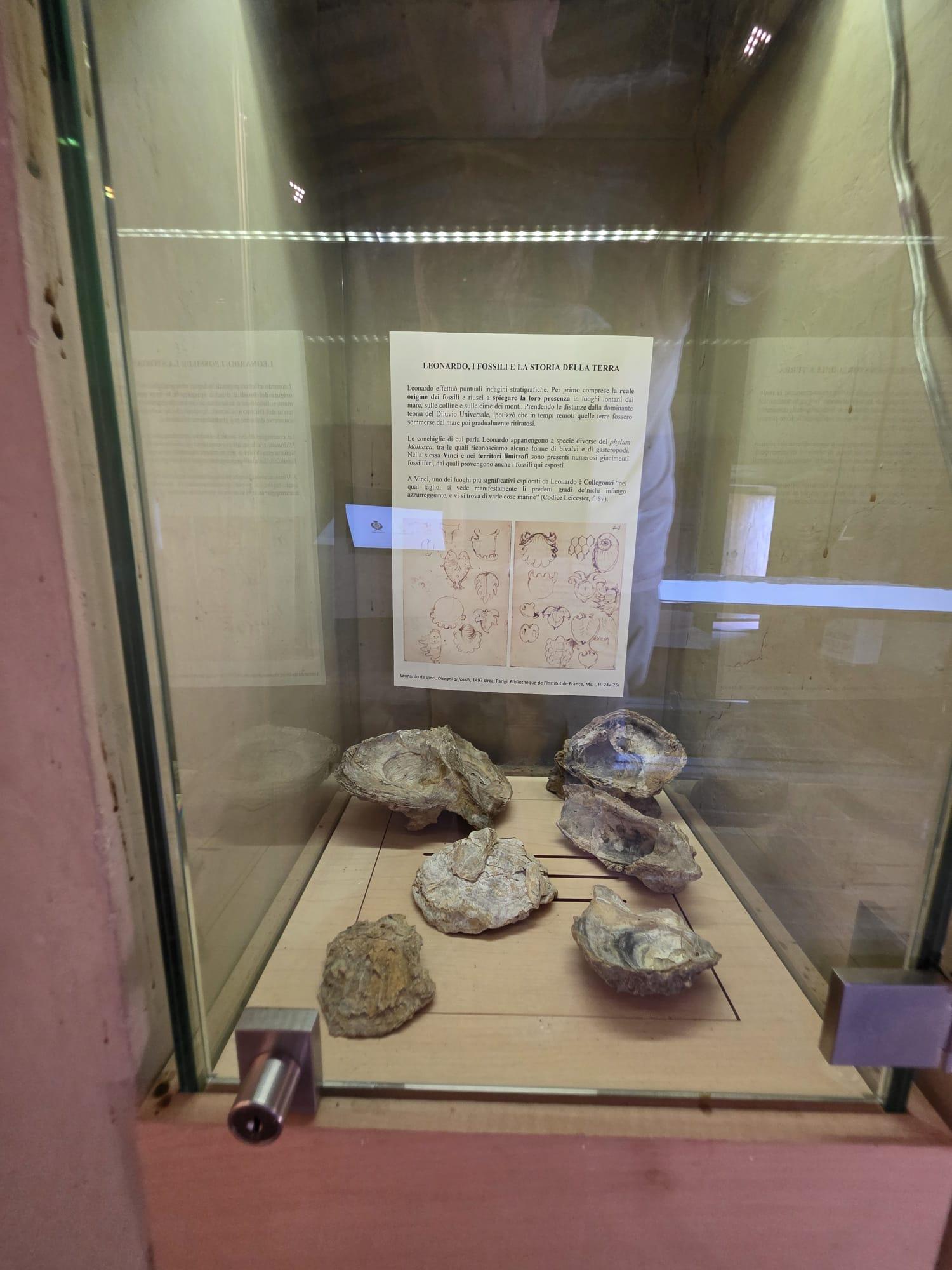
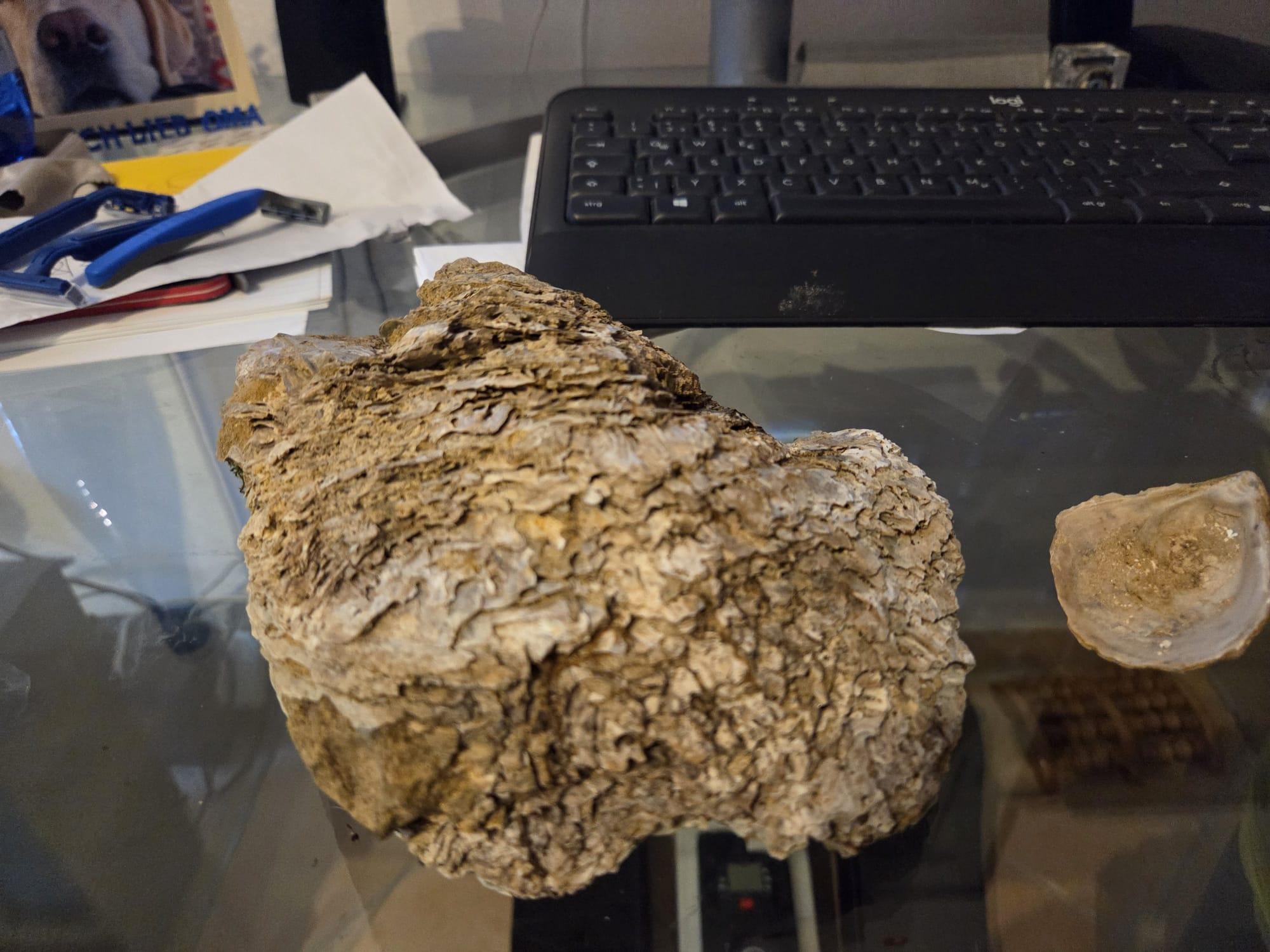
About 20 years ago, I visited a farmhouse with an estate near Volterra. Very nice people; we had a long chat. They’d just been renovating part of it and had several heavy machines there – and then – just like that – the woman picked up a large stone and said, ‘Here, I’ll give this to you.’ An excavator had unearthed it. It’s a shell. I looked at it with some surprise and disbelief – firstly, it was huge; secondly, here in Volterra, we’re about 50 km from the sea. I took the shell, cleaned it, and ever since I’ve been admiring it and cherishing it.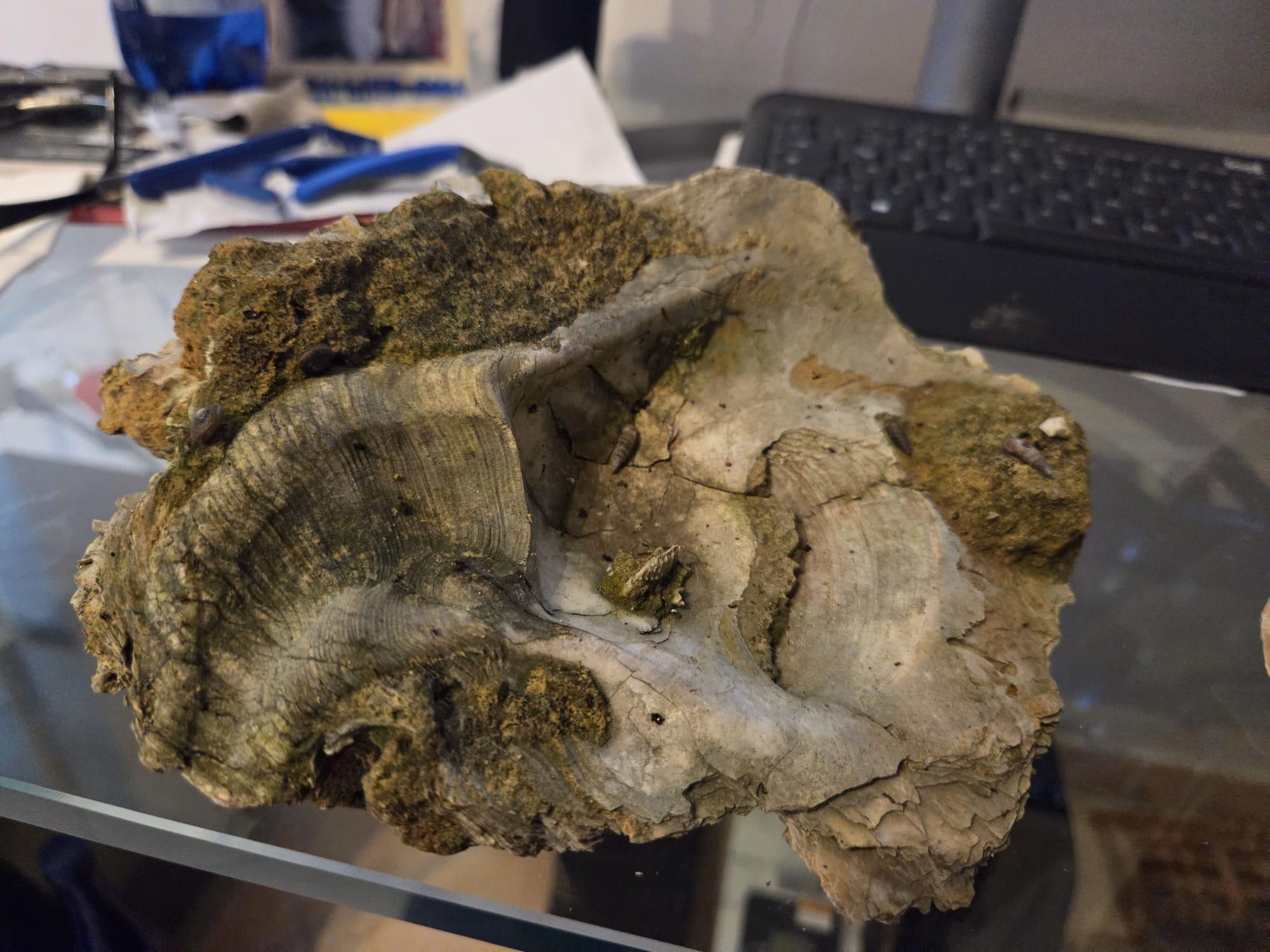
The supposed birthplace of Leonardo da Vinci has three rooms – one contains a mini-exhibition about where he travelled and so on. And in one of them there’s a sign and several shells – identical to mine from Volterra. Not a fossil in the usual sense – the remains of a large shell. In one of his diaries, he noted that he had explored this subject. Where do they come from, and how? Yes, I want to emphasise – he was pondering these questions 500 years ago.
Did he deviate from the common explanation of the Great Flood and was he perhaps the first person to discover the true reason? The sites and mountains where the fossils and remains of sea creatures were found were probably submerged in the sea a long time ago – which then receded. For some, it is still almost a heretical theory today. I proudly took a photo of my Volterra shell and compared it with Leonardo’s. Speaking of Volterra, there are countless smaller shell fossils in the old walls; the second rich site is around San Miniato. It’s something a bit different, isn’t it?