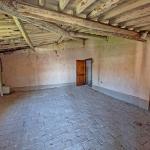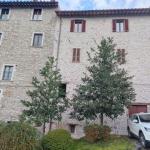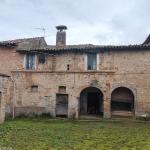
The 15 most common mistakes when buying property in Italy
Anyone who has fallen in love with a Tuscan villa or a stone house in Umbria can easily overlook the practical details that ultimately determine whether a purchase is worthwhile or costly. This isn’t a question of naivety, but is perfectly normal human behaviour, especially when a lifelong dream suddenly seems within reach. The Italian property market differs from the German one in several key respects, starting with the purchase process itself.
Unlike in this country, the purchase takes place in several stages: the offer (Proposta), the preliminary contract (Compromesso) and, finally, the notarial deed of sale (Rogito). Once the seller has accepted it, the purchase offer can effectively act as a preliminary contract and is therefore legally binding long before the actual appointment with the notary takes place. It is precisely at this stage that many of the mistakes we will go through below occur – not to put you off, but so that you don’t have to make them in the first place.
1. Searching without a clear budget plan
Many prospective buyers view properties that simply do not fit within their realistic financial means because they have not defined an overall budget beforehand. This refers not only to the purchase price, but to the total of the purchase price, ancillary costs, potential renovation costs, running costs and a buffer for unforeseen expenses. Those who know this figure before their first viewing can filter property listings more realistically from the outset.
2. Underestimating ancillary purchase costs
In Italy, taxes, notary fees, estate agent’s fees and various other charges can quickly add up to 10 to 15 per cent of the purchase price. These include registration, mortgage and land registry taxes, as well as notary fees and estate agent’s commission. Anyone who only realises these costs are involved when they arrive at the notary’s office is likely to run into financial difficulties.
3. Applying for the Codice Fiscale too late
The Italian tax number, the Codice Fiscale, is required for practically every step: signing purchase contracts, opening a bank account and taking out utility contracts. Anyone who only applies for it shortly before the notary appointment risks delays, as dealing with the authorities in Italy takes time, and preliminary contracts usually contain fixed deadlines.
4. Assessing the location only whilst on holiday
A place that seems perfect in August, with sunshine and a summery atmosphere, can look completely different in November: deserted, with closed restaurants and a totally different atmosphere. Anyone wishing to assess the location seriously should find out about transport links, medical care, schools and planned construction projects, and ideally experience the property at different times of the day and of the year.
5. Not having the building’s structure professionally inspected
Relying on your own impressions or the estate agent’s statements is one of the most common and costly mistakes of all – and, frankly, one of the easiest to avoid. Before signing the preliminary contract, an independent engineer or architect should inspect the structure, roof, installations and damp levels, whilst also checking whether the actual condition matches the approved building plans. It is precisely here that subsequent extensions or alterations often come to light – ones that were never officially approved and which are simply not visible from the outside of a nicely renovated house.
6. Failing to check legal documents thoroughly
An extract from the land register, the cadastral plan, planning permission, certificates of compliance for installations and any conditions relating to listed building or landscape conservation must be on the table before you sign. Anyone who fails to check these documents thoroughly risks buying into encumbrances, mortgages or illegal alterations without realising it, until it is too late.
7. Misjudging renovation costs
Particularly with country houses in dire need of renovation – the so-called ‘rustici’ – the actual costs are regularly underestimated. In the worst-case scenario, they can amount to as much as the purchase price itself. Detailed cost estimates from local tradespeople before the purchase, supplemented by a contingency fund for unforeseen expenses, will save you from nasty surprises later.
8. Underestimating ongoing running costs
The purchase price is usually calculated accurately, but running costs often are not: property tax, refuse collection charges, service charges, garden and pool maintenance, and insurance. For villas with a pool or extensive grounds, maintenance costs can be substantial. For city flats, it is primarily service charges and reserves for communal property that should be factored in realistically.
9. Organise financing in good time
The purchase process is often started before financing and a bank commitment have even been secured, even though Italian preliminary contracts contain clear payment deadlines and contractual penalties. Mortgage options, interest rates and the repayment schedule should therefore be clarified before signing the offer to purchase or the preliminary contract; otherwise, in the worst-case scenario, you risk missing deadlines or forfeiting a deposit.
10. Ignoring tax implications
Many buyers do not make a clear distinction between ‘prima casa’ (primary residence) and ‘seconda casa’ (second home), even though this classification has a direct impact on taxes and potential tax relief. Ongoing tax liabilities such as the IMU, income tax on rental income and potential issues of double taxation are also frequently underestimated, which is why seeking tax advice at an early stage usually pays off.
11. Choosing a region based solely on price
Particularly low prices in regions with weaker infrastructure may seem tempting, but they often distract from more important questions: How well-connected is the region really? What is the standard of medical care like? Are there job opportunities? And does the town or countryside suit your lifestyle? Those who focus solely on price may sometimes snap up a bargain that proves difficult to live with in day-to-day life.
12. Do not ignore letting regulations
Many foreign buyers plan to let their property as a holiday let from the outset but are not fully aware of the local regulations governing short-term lets, registration requirements and tourist licences. Towns and cities can introduce their own rules in this regard, and breaches can result in fines or restrictions on use. It is therefore essential to check these rules well in advance of the purchase, not afterwards.
13. Underestimating language barriers
Contracts are signed surprisingly often without the buyer fully understanding them, because they rely on a rudimentary knowledge of Italian or a rough summary from the estate agent. Bilingual contracts, a sworn translator or a specialist solicitor ensure that all clauses are truly understood, particularly withdrawal conditions, payment deadlines and potential contractual penalties.
14. Allowing yourself to be rushed
Whether due to the estate agent’s skilful sales pitch or their own enthusiasm for the property, many buyers sign offers to purchase or preliminary contracts more quickly than is in their best interests. Legal guides expressly warn against signing without a full review of the documents and the property’s condition, or making substantial deposits, as this is very difficult to rectify afterwards.
15. Doing without local experts
Doing without an estate agent, solicitor or surveyor to save money is a costly mistake, particularly for foreign buyers. Whilst an estate agent registered with the Chamber of Commerce, a solicitor specialising in property law and a technical surveyor do incur additional costs, they manage precisely those risks, hidden defects and areas for negotiation that a layperson from outside can hardly assess.
Checklist: How to buy more safely
Before starting your property search, it is worth setting your total budget, including ancillary costs and a contingency fund, applying for a Codice Fiscale and roughly sorting out your financing. When selecting a property, you should assess the region in terms of infrastructure and lifestyle, not just price, and ideally visit the location at different times of day.
Before signing, you should have a technical survey carried out, a full legal review conducted, and a contract drawn up in clear language or with the assistance of a translator. When concluding the contract, it is important to fully understand the payment deadlines and contractual penalties, to finalise your financing arrangements, and to take your time over the decision. After the purchase, the priority tasks remain determining the tax classification, complying with local letting regulations, and realistically planning for running costs.
Frequently Asked Questions
What is the costliest mistake when buying property in Italy?
Failing to carry out an independent technical inspection of the property’s structure is considered particularly risky, as hidden defects or unauthorised alterations can prove very costly later.
How high are the additional costs when buying property in Italy?
Generally, between 10 and 15 per cent of the purchase price, depending on taxes, notary and estate agent fees, and whether the property is a primary or secondary residence.
As a foreign buyer, do I absolutely need a solicitor?
It is not strictly mandatory, but it is strongly recommended, particularly due to the language barrier and the complexity of Italian contractual documents.
What happens if I withdraw from the preliminary contract?
Depending on the terms of the contract, the deposit paid may be forfeited as a ‘caparra penitenziale’. The exact terms of withdrawal should therefore be carefully checked before signing.
Most of these 15 mistakes have one thing in common: they arise from time pressure and a lack of preparation, not from a general lack of due diligence on the part of buyers – we see this time and time again. Take the time you need, involve the right experts, and you’ll be able to buy property in Italy just as safely as you would at home.