Living between two countries: how to make Italy your second centre of life
Italy as a second centre of life – a new way of living
It often begins quietly. With a thought that initially feels almost incidental: life works, runs smoothly, is well structured. And yet, a question lingers — is this really all there is?
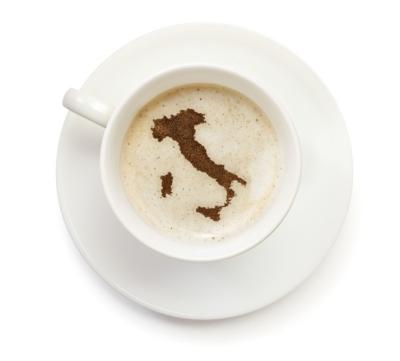
Then Italy enters the picture. At first as a travel destination, a place to rest, a welcome change of scenery. But something stays with you. A way of life that is hard to define, yet deeply present. Days feel more spacious, conversations more open, the rhythm more human. Increasingly, people are making a conscious choice not to give up their lives, but to expand them. They no longer live only here or there — but between two worlds. Italy becomes a second centre of life. Not as an escape, but as enrichment.
This article explores why this lifestyle is gaining importance, how it can be realized in practice, and why Italy has become the natural choice for so many. It is aimed at anyone considering a second residence in Italy, working independently of location, or simply wanting to live between two countries.
What a second centre of life in Italy really means
A second centre of life is neither a holiday-home project nor a spontaneous act of emigration. It is a conscious decision to live with two anchors. Professional and family ties in one’s home country remain intact, while a new emotional and cultural anchor is created in Italy. This lifestyle reflects the spirit of a new era. Remote work, self-employment, and digital opportunities make it possible to feel at home in more than one place. People are no longer bound to a single location; instead, they shape their lives with mobility and personal responsibility. A second centre of life does not merely provide variety — it creates depth.
Why Italy, of all places, as a second residence?
Italy understands the interplay of life. It is a country that does not set contrasts against one another, but allows them to coexist work and pleasure, structure and spontaneity, seriousness and lightness. Geographical proximity makes Italy particularly attractive for people from Germany, Austria, and Switzerland. It is reachable within a few hours, culturally close enough to feel familiar, yet different enough to open new perspectives. Climate, landscapes, cuisine, and lifestyle appeal to all the senses. But above all, it is the pace of everyday life that captivates so many. In Italy, time does not seem to push — it flows. And anyone who lives there, even part-time, feels this difference immediately.
Who is a life between Germany and Italy suited for?
It is no longer just retirees or dropouts who create a second home. Increasingly, it is professionals with remote work options, entrepreneurs, creative freelancers, and people in midlife who consciously want to open a new chapter. What connects them is not the desire to escape, but the wish to shape their lives intentionally. They do not want to abandon what they have built — they want to expand it. Italy does not replace their existing life; it becomes a valuable addition.
The emotional quality of a second home in Italy
Spending extended time in Italy brings more than a change of place — it creates a change in perspective. Many people report that they feel less pressure to explain themselves, that communication is more open and direct. You are allowed to simply be — sometimes quiet, sometimes slow. A second centre of life offers space for personal development. It is not tied to a radical new beginning but allows new facets of identity to emerge. Especially during periods of transition — professional, family-related, or deeply personal — Italy becomes a stable place where change is possible without undermining one’s foundations.
How to turn a second home in Italy into reality
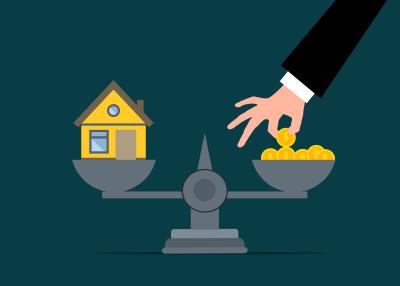
Living between two countries does not require constant presence in both places. Many people choose seasonal stays in Italy — for example in spring and autumn — or spend project-based periods there. Others use the winter months to work or recharge in a milder climate. This naturally raises the question of the right housing model. Hotels and short-term rentals offer comfort, but little emotional connection. Owning a house or apartment, on the other hand, creates identification. When you have a fixed place, you do not merely arrive — you return. You get to know the neighbourhood, develop routines, and gradually become part of the community.
Remote work and self-employment in Italy
Thanks to modern technology, location-independent work has never been easier. Italy offers not only solid infrastructure, but also an inspiring environment that can stimulate creativity. Those who can structure their working hours flexibly often discover a new balance between productivity and relaxation in Italy. Freelancers, consultants, and project-based professionals in particular benefit from the possibility of spending several months a year in a second location without losing their professional footing at home.
The best regions in Italy for a second home
Italy offers many regions well suited to a second centre of life:
- Tuscany – culture, nature, and lifestyle in perfect balance
- Lake Garda – strong infrastructure, proximity to the Alps, Mediterranean flair
- Apulia and Sicily – authentic Italy, more affordable property prices
- Liguria and Piedmont – close to Switzerland, sea and mountains, mild climate
Choose the region that fits your lifestyle. Each area has its strengths — what matters most is that you feel at home there.
Legal and organizational aspects: registering a second residence in Italy
A life with two centres requires planning — especially regarding taxation, residency regulations, and health insurance. The good news: within the EU, many things are simpler than expected. What matters is clearly documenting length of stay and centre of life. Tax-related questions should be clarified in advance with professionals, as should issues surrounding property purchase, inheritance, and gifting. Sound advice ensures that dreams do not later turn into bureaucratic traps. Language is rarely a real obstacle. Even with basic Italian, everyday life is manageable. Much more important is a willingness to integrate. Those who engage with people and local customs often become part of the community surprisingly quickly.
Personal development: what changes within
Living between two countries changes not only your calendar, but your inner attitude. Time is suddenly perceived as a creative resource, not a constant shortage. Possessions lose importance, while experiences gain value. The role of work also shifts it remains part of life, but no longer its centre. This new balance reconnects many people with themselves and creates space for calm, creativity, and genuine rest.
Challenges are part of the journey — and enrich it
Of course, life between two centres is not without friction. Language misunderstandings, cultural differences, and organizational challenges are part of the process. But these very challenges make the lifestyle authentic and alive. Those who approach them with patience and openness discover, over time, a new sense of belonging — not as consumers of another country, but as designers of a new phase of life.
Conclusion: Italy as a modern second home
Living between two countries is not a compromise. It is a decision for depth over speed, for diversity over limitation, for conscious design over habit. Italy offers the ideal foundation for this: human, scenic, cultural, and emotional. It is not a place of escape, but a place of arrival. Not a replacement, but an expansion.
Perhaps this is the most modern definition of home : not one place, but two — between which you move without losing yourself.