Famous Tuscans
A brief list with locations and descriptions.
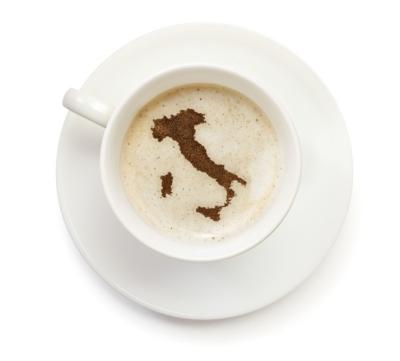
Test 1 pic
Test 2 pic
Toto Cutugno – singer and, above all, songwriter – was born in 1943 as Salvatore Cutugno in Fosdinovo, a small town belonging to the province of Massa-Carrara in Lunigiana. Cutugno worked with Adriano Celentano for many years; later, he also wrote songs for other giants of pop music. For non-Italian listeners, his best-known songs are ‘Solo noi’, ‘Soli’ (sung by Celentano) and ‘Donna, donna mia’ – but the wider international audience is particularly familiar with his song ‘L’Italiano’, which has almost become an anthem. ‘Let me sing, I am an Italian, a true Italian’ – these words will ring in our ears for a long time to come.
Renato Salvatori – who is Renato Salvatori? An actor. Born in Seravezza – a small village between the Versilia coast and the Stazzema mountains, part of Pietrasanta. Like his father, Salvatori worked in a marble company and earned his living in the summer as a lifeguard on the beach at Forte dei Marmi. Without ever having had any formal acting training, he auditioned for a film at the age of 18 and landed the part. Married to Annie Girardot, he worked with the leading directors and fellow actors of his time – Dino Risi, Roberto Rossellini, Marco Ferreri, Costa Gavras and Marco Buñuel – but it was Luchino Visconti who gave him his big break with *Rocco and His Brothers*, in which he starred alongside Alain Delon (with further films to follow) and which led to a long-standing friendship between the two. Salvatori was buried in Querceta.
Another – unforgettable – actor is Yves Montand, or Ivo Livi as he was known, who was born in Monsummano Terme – which belonged to the province of Pistoia and also to Lucca. Montand moved to France and later took French citizenship. His first female muse was Édith Piaf, who gave him a role in her Moulin Rouge show, supported him professionally and entered into a personal relationship with him. Yves Montand sang countless chansons and starred in many films – later often in line with his personal political convictions. He married Simone Signoret, who starred in many films with him and remained with him until her death in 1985 – despite scandals involving Marilyn Monroe. Following her death, Montand remarried in 1987 and became the father of a son.
Andrea Bocelli was born in Sterza – between Lajatico (where he now has a permanent stage) and Terricciola. His family runs a business here dealing in agricultural equipment and machinery, and his brother – an architect – has always had his office here. Bocelli himself sold a property in Versilia and bought a large villa a little further along, where he often hosts various gatherings for his international clientele during the summer. The tenor was discovered and sponsored by Luciano Pavarotti. Today, his business interests are wide-ranging; alongside concerts and music, he produces wine, amongst other things, has established two beach clubs in Forte dei Marmi – where he welcomes various VIPs from the worlds of sport and music – and owns his own theatre in Lajatico.
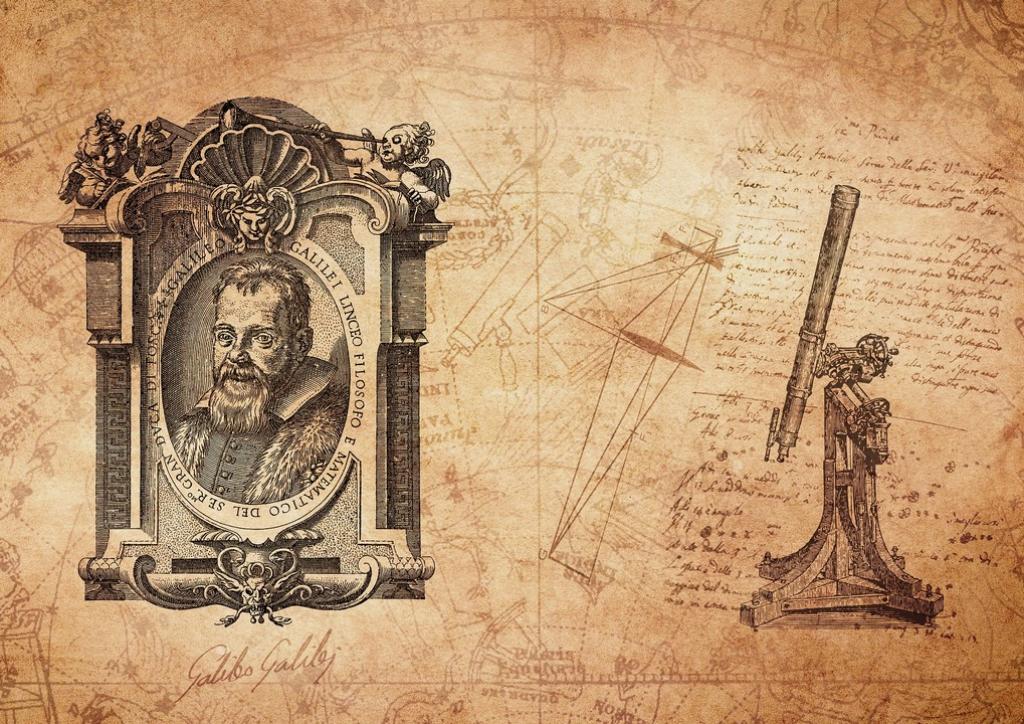
Galileo Galilei was also born in Tuscany, in Pisa in 1564. A hundred years after Leonardo, he revolutionised the world – he made crucial discoveries about the universe, from the existence of orbits to the fact that the Moon’s surface is rough. He substantiated all these findings and is thus counted amongst the first scientists who did not base their conclusions solely on observation and hearsay, but also provided evidence to support them. In his case, this was also thanks to the fact that he further developed the telescope and was thus able to correct the prevailing view of the world, something for which the Church held a grudge against him for several centuries – right up to the present day. In 1992, after a 10-year investigation (and more than 300 years after the condemnation), the Vatican decided that the condemnation at the time had imposed a restriction on science which faith should not have imposed. Galileo was forced to renounce the Copernican theory on his knees before the Holy Office; whilst this saved his life, he was forced to live under house arrest until his death.
More on the Tuscans in the next post.