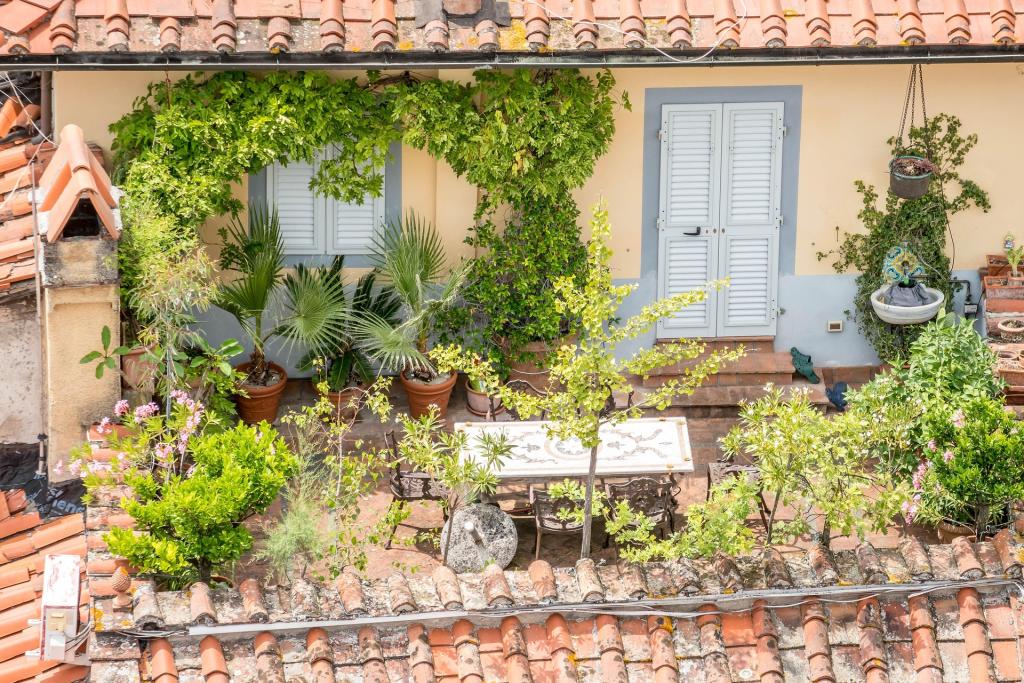
The best regions in Italy for remote working and a second home
We now receive this kind of enquiry on a regular basis: buyers who are not just looking for a lovely holiday destination, but a place from which they can also work. Italy has recognised this trend and has been investing specifically in fibre-optic roll-out, co-working facilities and improved conditions for several years now, with a view to attracting remote workers and digital nomads. Medium-sized towns and regions away from the major cities have benefited most from this, where fast internet is now combined with significantly lower property prices.
When it comes to a second home suitable for remote working, different criteria apply compared to a traditional holiday home. It’s not just about the view and the size of the pool, but about internet speed, airport links, medical care and whether a place remains lively even outside the summer season. In our view, six regions are particularly worthwhile, each with its own distinct profile.
What really matters when making your choice
Before we turn to the individual regions, it is worth taking a brief look at the criteria that crop up time and again in remote working guides and emigration advice. Internet speed is the top priority. Bandwidth is improving nationwide in Italy thanks to the ongoing roll-out of fibre-optic networks; nevertheless, rural areas still have patchy coverage in some places, whilst cities and established ‘workation’ destinations usually offer stable connections.
Accessibility also plays a significant role. Anyone commuting regularly between their home country and Italy should look for excellent connections to international airports such as Rome, Milan, Bari, Brindisi or Palermo, as well as to the rail network. Other factors include medical infrastructure, the density of co-working spaces and international communities – for example in Rome, Milan, Bologna or Florence – but increasingly also in smaller centres such as Lecce or Palermo. And, of course, the cost of living in southern Italy and on the islands is generally noticeably lower than in the north. One point that is easily overlooked is that some coastal and holiday resorts become much quieter in winter, with restaurants closed and limited local transport. Anyone wishing to live there all year round should therefore specifically look for places with a stable everyday life outside the peak season.
Puglia: the sea, value for money and growing remote working hotspots
Puglia combines a long coastline, authentic towns and moderate property prices, which has led to the region’s popularity growing noticeably among expats and second-home buyers in recent years. Cities such as Bari and Lecce, as well as coastal towns in the Salento, are increasingly becoming hubs for remote working, as they combine the sea, reliable infrastructure and affordable rents.
Anyone wishing to live by the sea all year round or work seasonally, without needing the budget of a traditional premium region, will be well catered for here. The Mediterranean climate and the relaxed pace of life play their part in this, as does the attractive value for money on property and rents, which are significantly lower than in Tuscany or on Lake Garda. The only area where expectations should be tempered is internet coverage: whilst it is excellent in towns and coastal resorts with a strong tourist industry, it is still being rolled out in more rural areas.
Tuscany: workation in the established premium segment
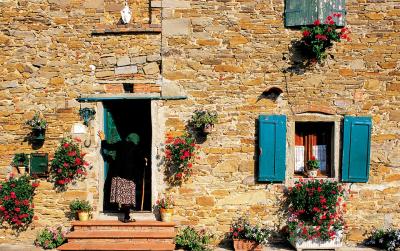
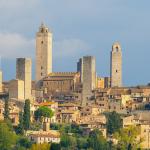
Tuscany remains one of the most popular regions for foreign buyers, and this now applies to remote workers too. Many holiday homes, agriturismos and villas now offer fast internet and work-friendly facilities, particularly around Florence, Lucca, Siena and Arezzo.
For families and anyone wishing to combine culture, cuisine and stable property values with a professional home office, Tuscany is almost the obvious choice. The quality of life is high, with wine regions, cities of art, the coast and rolling countryside all within easy reach, and internet coverage is now satisfactory in towns as well as in most rural areas. However, anyone considering a very remote country house should check the internet quality carefully before buying. And the price: Tuscany is generally in the higher price bracket, although towns such as Arezzo remain significantly cheaper than Florence or the coastal areas.
Umbria: a peaceful home office without mass tourism
Umbria is often described as the ‘green heart of Italy’, with a landscape like Tuscany’s but significantly less tourist pressure and more moderate prices. Towns such as Perugia, Orvieto and Terni offer a solid infrastructure, in some cases including universities and hospitals, and internet quality is gradually improving thanks to ongoing fibre-optic projects.
Anyone looking above all for peace and quiet to focus on working from home, without having to live in complete isolation, will find just the right balance in Umbria. The rural, tranquil atmosphere and proximity to nature make all the difference. Added to this are prices that are noticeably lower than those in Tuscany, whilst offering a similar quality of landscape. One drawback remains the flight connections: International connections are mostly via Perugia or the surrounding motorways, making travel significantly less direct than in larger regions.
Lake Garda: Infrastructure, international community and investment
Lake Garda is one of the most popular destinations for holiday properties and second homes in the whole of Italy, with high international demand and excellent accessibility via Verona and Bergamo. As an established tourist region with a high density of hotels, holiday apartments and international guests, internet coverage, mobile phone reception and the general service infrastructure are exceptionally well developed.
For buyers who value infrastructure, an international community and a reliable investment, combined with the opportunity for a ‘workation’ in a lakeside setting, Lake Garda is hard to beat. Here, the lake and mountain scenery are complemented by many towns where restaurants and shops remain open all year round, or at least for a long season, and property values are considered stable with high rental potential. The downside: property prices here are high to very high, particularly in the well-known top locations.
Sicily: an affordable climate paradise with growing potential for remote working
Sicily is increasingly regarded as an insider tip in articles about workation. For remote workers, cities such as Palermo, Catania and Taormina combine adequate internet coverage, an inspiring environment and rents that are affordable compared to the mainland.
Price-conscious remote workers who prioritise a warm climate and the sea will find one of the most affordable options among the six regions here, complete with a mild climate all year round, plus stunning natural scenery around Mount Etna and vibrant towns. Those willing to accept certain differences in infrastructure compared to the north will be rewarded with low entry-level prices, particularly outside the tourist centres.
However, you should choose your location more carefully than elsewhere: in more rural areas, internet coverage can be patchy.
Marche: authentic Italy with good transport links
The Marche is considered an underrated region of central Italy, situated between the Apennines and the Adriatic coast, with tranquil landscapes, authentic towns and excellent transport links. Scenically not unlike Tuscany, but significantly less overrun by tourists and more affordable.
Anyone looking to combine peace and quiet, authentic Italy and reasonable accessibility without paying premium prices will find exactly this mix in the Marche: the coast and the hinterland with villages, hills and wine-growing regions, excellent road links and several smaller towns with universities and hospitals. Only the international flight connections via Ancona remain more limited than those via Rome or Milan – a factor to bear in mind if you travel frequently.
Regional comparison briefly
Region | Quality of life | Internet | Property prices | Airport links | Suitability as a second home |
Puglia | High | Good in towns/on the coast | Average | Bari, Brindisi | Very good |
Tuscany | Very high | Very good | High | Florence, Pisa | Very good
|
Umbria | High (peace and quiet) | Improving | Average to affordable | Perugia (limited) | Good |
Lake Garda | Very high | Very good | High to very high | Verona, Bergamo | Premium |
Sicily | High | Varied | Affordable to moderate | Palermo, Catania | Good |
Marche | High (peace and quiet) | Improving | Moderate | Ancona (limited) | Up-and-coming
|
Which region is suitable for whom?
Those who wish to live by the sea all year round will find the ideal conditions in southern Italy and on the islands, particularly in Apulia and Sicily: the sea, a pleasant climate and a lower cost of living than in the north. Those who, on the other hand, prioritise nature and tranquillity above all else will be well catered for in Umbria, the Marche or more remote parts of Tuscany, where there is little mass tourism and a peaceful pace of life prevails.
For lovers of culture and cuisine, Tuscany remains the classic choice. Those primarily looking for a stable investment, on the other hand, will find Tuscany and Lake Garda to be the most established premium regions with the most stable demand. Price-conscious buyers with an eye on potential for capital appreciation are more likely to look in Sicily, where entry-level prices are low and interest is growing noticeably. And those explicitly seeking ‘authentic Italian life away from the main tourist routes’ are most likely to find what they’re looking for in the Marche, Umbria or Puglia.
Frequently Asked Questions
Which region of Italy is best suited for remote working by the sea?
Puglia and Sicily offer the most outstanding combination of the sea, a mild climate and moderate property prices for year-round remote working by the water.
Where in Italy is the internet connection most reliable for working from home?
Tuscany and Lake Garda are particularly well-connected, both in the towns and in large parts of the surrounding countryside, thanks to established tourist and economic infrastructure.
Which region offers the best value for a second home with the option to work remotely?
Sicily and Umbria currently offer the most affordable prices, combined with a solid and steadily improving infrastructure.
Is the Marche a good alternative to Tuscany for remote workers?
Yes, the landscape is similar, it is significantly less overrun by tourists and prices are more moderate, although international flight connections via Ancona are somewhat more limited.
Ultimately, the right region for remote working and a second home depends on whether infrastructure, price or lifestyle are your top priorities. Once you’ve identified these three priorities for yourself, you’ll quickly find the right base for a life split between your laptop and an olive grove amongst these six regions, and we’ll be happy to help you narrow down your options.