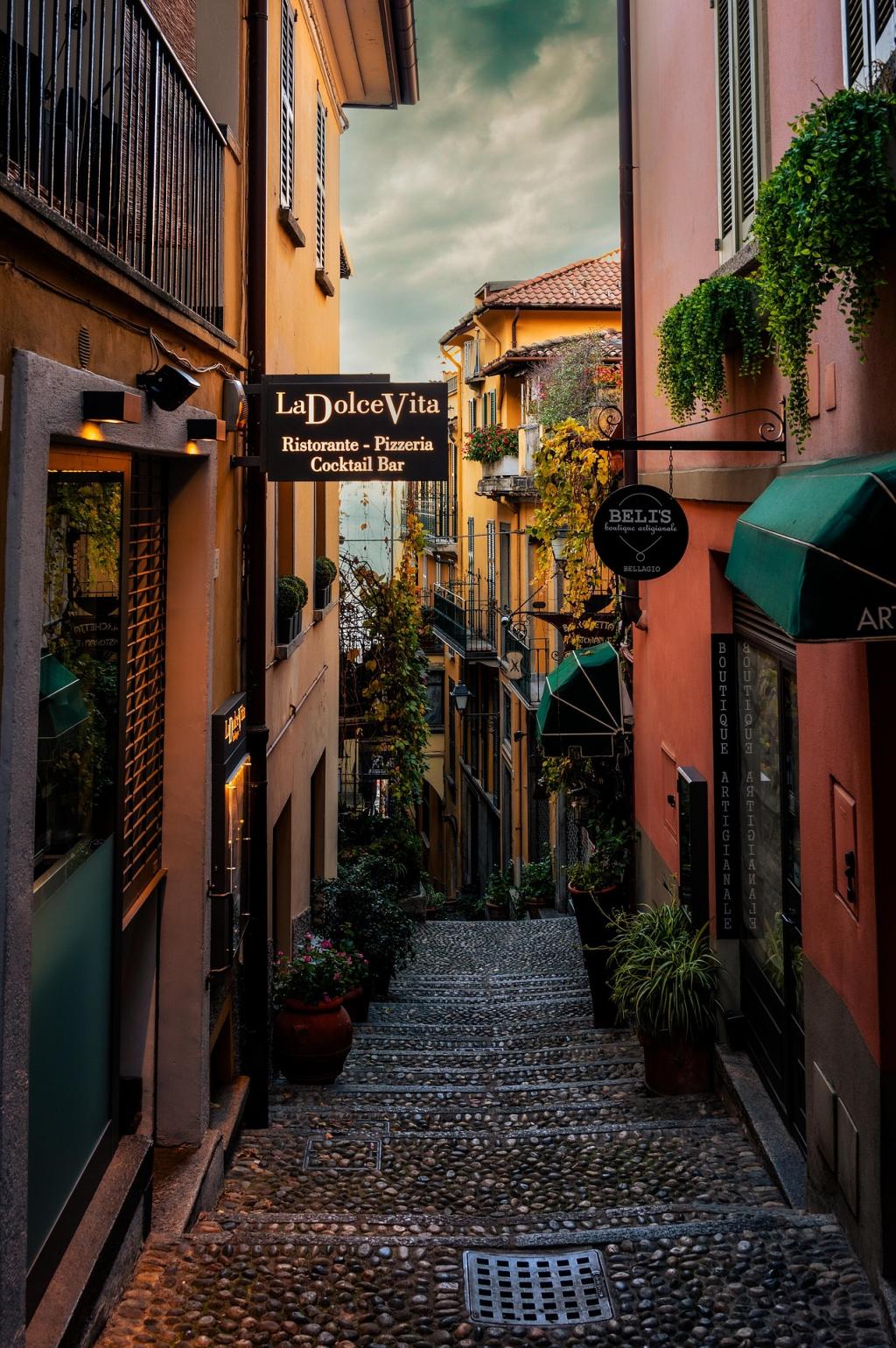
Viewing a property in Italy
Most viewings I’ve attended or discussed afterwards have followed a similar pattern: you walk into the house and, at first glance, you’re blown away. The exposed beams, the view over the hills and that afternoon light are impressive. Then you politely ask a few questions that don’t really hurt anyone’s feelings. How old is the bathroom? Will the kitchen stay as it is? Rarely, in those first thirty minutes, does the question that really matters in the end come up: Is what’s here actually approved as it stands?
No one is to blame for this. Anyone buying in Italy for the first time simply has no idea what to ask. An Italian estate agent often addresses the key points but doesn’t always cover them in the order that’s relevant to you. So here are 25 questions, organised by topic – not intended as an interrogation, but as the things you should have in mind whilst walking through the rooms.
Let’s start with the unpleasant bit: the legal side of things.
Frankly, this is the part most people would prefer to skip, because it doesn’t sound like Tuscan romance. That’s precisely why it needs to come first.
- Is the property fully registered in the land registry, and does the floor plan match what is there?
- Are there any extensions or alterations that were never authorised?
- Is there a valid certificate of occupancy (agibilità)?
- Are there any mortgages or other encumbrances on the property?
- Are there any rights of way that restrict the use of the land?
If an estate agent answers these questions calmly and specifically, or says, ‘The surveyor will sort that out; here’s his number’, that’s a promising sign. If they change the subject or suddenly start raving about the lovely garden, I’d be on my guard.
What you can’t tell just by looking at the house
A freshly painted country house with attractive furnishings may still need renovation. With old rustici, this is the rule rather than the exception, and nobody will point this out to you of their own accord.
- When was the roof last redone?
- Has there been any damp, particularly in the cellar or on the ground floor?
- What sort of heating system is installed and how old is it?
- Electrical wiring and water pipes – have they been modernised or are they still in their original condition?
- Have any alterations ever been made to load-bearing walls or the structural integrity of the building?
- How energy-efficient are the windows and doors?
- Woodworm, damp damage to beams – known or unknown?
If the answers regarding the roof or structural integrity are vague, it’s worth getting an independent survey. The cost of this is usually ridiculously low compared to what a nasty surprise after the purchase would cost.
The costs not listed in the property brochure
The purchase price is only half the story.
- How much is the annual property tax (IMU), and what other local council charges are there?
- Are there service charges – and how much?
- How much is spent on average on heating, electricity and water?
- Is the price negotiable, and how long has the house been on the market?
- What are the additional costs for the solicitor, land transfer tax and estate agent’s commission?
Point 17 is regularly underestimated by German, Austrian and Swiss buyers. Allow for an additional eight to fifteen per cent of the purchase price, depending on the property category and whether it is a primary or secondary residence. Ask for a specific calculation; don’t just dismiss this as a rule of thumb.
The surroundings you can’t renovate
- Water supply – mains supply, private well, or both?
- Is the access road passable even in winter or when it’s raining?
- What’s the reality of the local internet connection?
- How far is it to the nearest supermarket, GP and chemist?
- Are any construction projects planned in the neighbourhood?
This last question is often overlooked and can become quite a nuisance later – a new road, wind turbines, a new housing development right in front of your terrace. A glance at the municipality’s Piano Regolatore tells you more than any verbal assurance.
The actual process – this is where things usually go wrong
- Which documents are already complete, and which are still missing?
- What is the timeline leading up to the notary appointment, and what delays can realistically be expected?
- Is the fitted furniture included in the price – and if so, exactly which items?
Point 25 may sound trivial, but in practice it’s a constant source of dispute. In Italy, it’s by no means a given that the kitchen is included in the sale, even if it looks permanently fitted. Note: Please make sure to specify this explicitly in the preliminary contract to avoid any disputes later when the keys are handed over. ## A case that has stuck in my memory
A house near Lucca, freshly renovated, with a beautiful kitchen. When asked about the heating, the estate agent initially shrugged but then produced the invoice for the new heat pump from the previous year. The same went for the roof: renovated six years ago, complete with photos. So far, so good.
When asked about the empty plot next door, he suddenly became reticent. It was only after a second, more specific enquiry – “What does the local council’s development plan say about that?” – that it emerged that building work is due to start there in a few years’ time. No reason not to buy the house. However, that is a reason to reassess the price, and that is precisely what would not have happened without that one question.
Why Italian property descriptions often reveal so little
Anyone from Germany expects the property description to contain almost everything. In Italy, it’s often sparser – not because anyone is hiding anything, but because a considerable part of the process is traditionally handled verbally and only later formalised by the surveyor and notary. This takes some getting used to but isn’t a warning sign.
When it comes to price, too, things work differently. The asking price is rarely the final price, especially if a house has been on the market for some time. Question 16 – how long has it been on the market? – gives you an initial sense of this, even if no estate agent will openly admit the exact margin for negotiation.
Second viewing, different weather
If you’re genuinely interested, I’d almost always recommend a second visit, ideally at a different time of day or in different weather. A house that looks perfect in the morning sunshine can sometimes reveal a completely different side in the evening or after rain. Damp patches that previously seemed dry. Traffic noise that went unnoticed the first-time round. That’s exactly when it’s worth repeating the questions where the initial answer was too smooth or too brief.
If you’re viewing several properties in quick succession
With three or four viewings in a week, things can quickly get mixed up. Make a note of the answers straight away – even just a few keywords on your mobile will do. It might sound like unnecessary red tape, but it pays off when you get to the fourth property, when the subtle differences between two almost identical properties ultimately make the difference.
Frequently asked questions about viewing properties in Italy
What questions should I ask when viewing a property in Italy?
Above all, about planning permission and land registry entries, the structural condition of the property, running costs such as IMU, the location, and the next steps leading up to the signing of the deed.
Can the estate agent answer all legal questions?
Not entirely, and that isn’t their role anyway. Compliance, encumbrances and permits are ultimately clarified by the surveyor and the notary.
How high are the additional costs when buying a property in Italy?
Usually between eight and fifteen per cent of the purchase price, depending on the property category and your residency status.
Is furniture automatically included in the purchase price?
No. Unless specified in writing in the preliminary contract, this is purely a matter for negotiation.
How can I recognise a reputable estate agent?
They answer critical questions specifically or refer you directly to a surveyor and notary, rather than changing the subject when sensitive issues arise.
This list of questions is no substitute for individual legal or building advice. ItalicaHomes accompanies you on viewings of Italian properties and, if required, puts you in touch with vetted surveyors, notaries and independent local experts.